Table of Contents
Participating in sports like tennis, pickleball, and golf can be a thrilling experience, but also comes with the risk of elbow strain, pain, and injury. These injuries not only hamper performance, but can also be quite debilitating. Effective elbow injury prevention comes down to a few proven habits: warm-up routines, technique refinement, and gradual progression.
Understanding Common Sports-Related Elbow Injuries
Before delving into prevention strategies, it is important to understand the common elbow injuries faced by athletes. Elbow injury prevention starts with knowing exactly which structures are under stress in your sport.
Tennis Elbow (Lateral Epicondylitis)
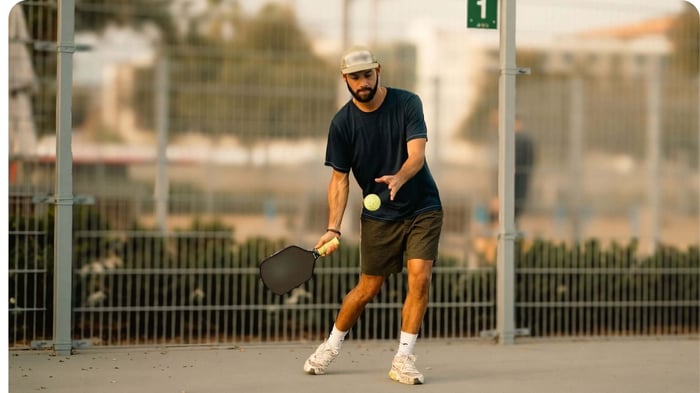
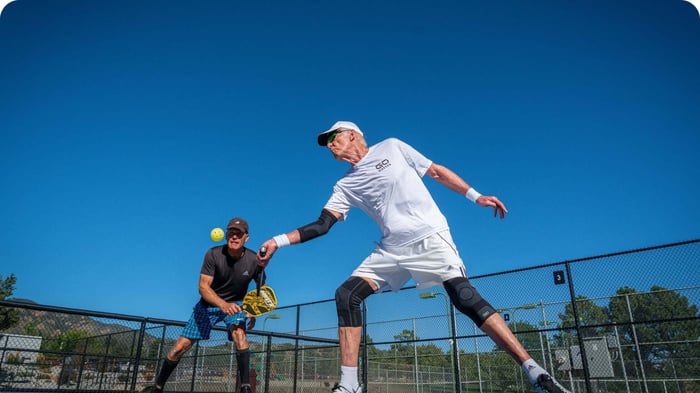
The most common elbow injury in pickleball, tennis elbow, is a prevalent overuse injury that affects the tendons on the outside of the elbow. It commonly occurs due to repetitive motions and improper technique during backhand shots — including the repetitive gripping and swinging involved in pickleball. Symptoms include pain and tenderness on the outside of the elbow, a weakened grip, and discomfort that worsens with wrist extension or lifting.
Golfer's Elbow (Medial Epicondylitis)
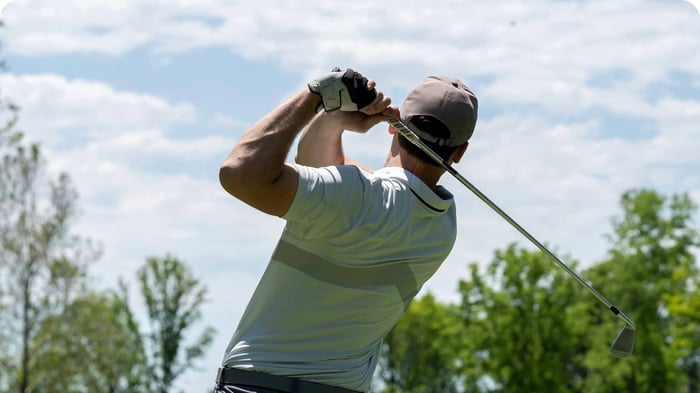
Golfer's elbow is similar to tennis elbow, but it affects the tendons on the inside of the elbow. It is often caused by repetitive motions like swinging a golf club, or by hitting backhand shots in pickleball, which place repeated strain on the wrist flexor muscles. Symptoms include pain on the inside of the elbow, stiffness, and weakness that can radiate down the forearm into the wrist.
Elbow Injury Prevention: Tennis, Pickleball, & Golf
1. Warm-up and Stretching
Prior to engaging in any sports activity, it is crucial to warm up your muscles and perform dynamic stretches. Focus on exercises that target the forearm muscles, wrist flexors, and extensors to improve their flexibility and strength.
2. Proper Technique
Learning and practicing proper technique is vital for reducing the strain on your elbow joint. Seek guidance from a qualified coach or instructor to ensure you are executing movements correctly and efficiently.
3. Gradual Progression
Avoid sudden spikes in training intensity or duration, as this can overload your muscles and tendons, leading to injuries. Gradually increase the intensity and duration of your workouts, allowing your body time to adapt and strengthen.
4. Equipment Selection
Ensure your equipment, such as tennis rackets, pickleball paddles, and golf clubs, are well-suited to your playing style and body mechanics. Using equipment that is too heavy or has an improper grip size can increase the risk of developing elbow injuries.
Sport Specific Prevention Tips
While the fundamentals above apply across the board, each sport has its own risk factors worth knowing:
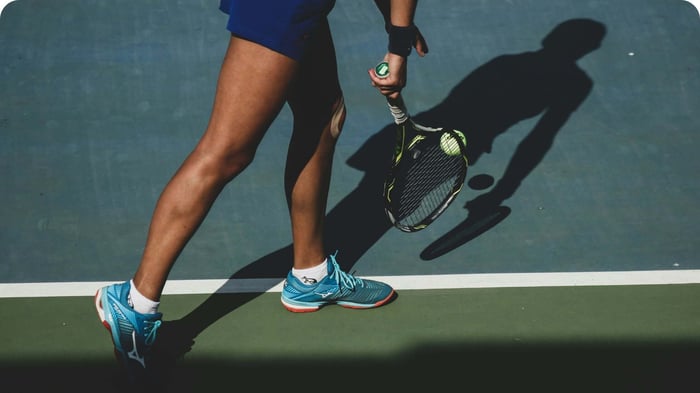
Tennis: Focus on generating power from a full shoulder turn and leg drive, not the wrist. Relying on wrist snap for extra pace is one of the fastest ways to overload the tendon.
Pickleball: Let the paddle do the work instead of over-gripping, and avoid stacking too much backhand volume into a single session — that repetitive motion is where most pickleball elbow issues start.
Golf: Prioritize clean swing mechanics over swing speed, especially in the back nine when fatigue sets in and form tends to break down first.
The Role of GO Elbow Sleeves
GO Elbow Sleeves are designed to support elbow injury prevention, performance enhancement, and recovery for athletes. Here's how they can aid in preventing elbow injuries and optimizing your sporting experience:
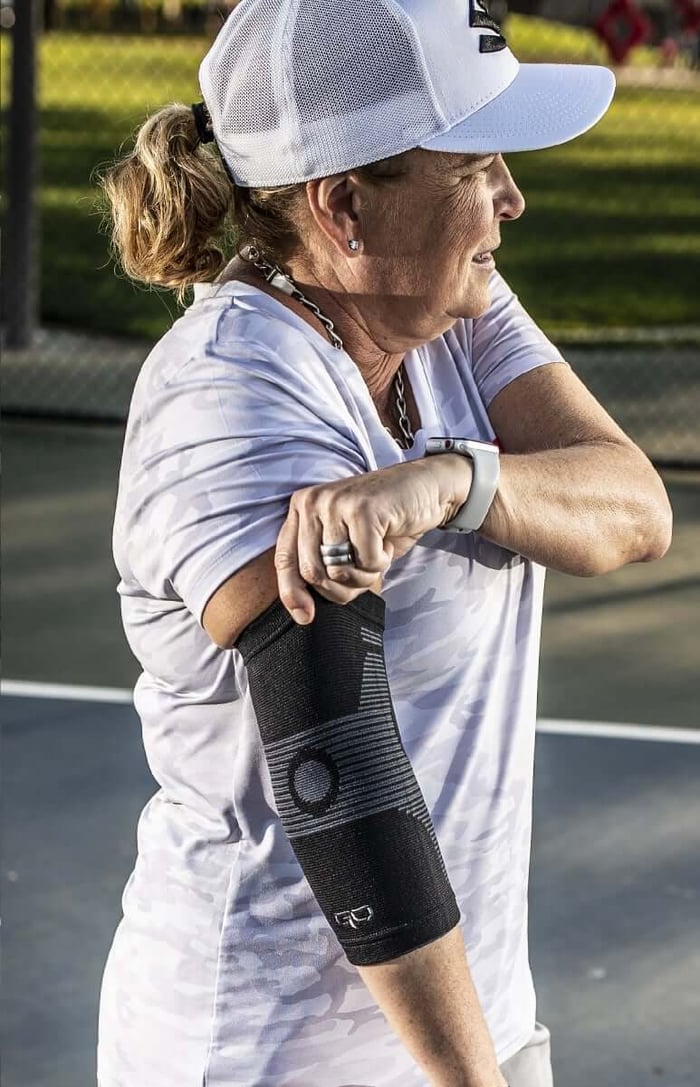 GO Sleeves partner Vicki Sciacqua puts on her elbow sleeve before hitting the pickleball court.
GO Sleeves partner Vicki Sciacqua puts on her elbow sleeve before hitting the pickleball court.Compression and Support
GO Sleeves provide targeted compression and support to the elbow joint and surrounding muscles. This helps improve blood flow, reduces inflammation, and provides stability, reducing the strain on tendons and ligaments during repetitive movements.
Pain Relief
If you are already suffering from an elbow injury, GO Sleeves can assist in pain management by providing gentle compression and support to the affected area. This allows you to continue participating in sports while promoting healing and recovery.
Muscle Stabilization
The kinesiology sleeves have integrated support bands that stabilize the muscles and tendons, enhancing their efficiency and reducing the risk of overstretching or straining them during sports activities.
Performance Enhancement
GO Sleeves are not only beneficial for injury prevention and recovery but can also enhance performance. The compression and support provided by the sleeves help optimize muscle activation, leading to improved power, endurance, and overall performance.
GO Kinesiology + Compression Elbow Sleeve

$89.95
Accelerate recovery and reduce pain, swelling, and soreness related to Golf and Tennis Elbow with the world’s only compression sleeves with built-in kinesiology strips to secure, correct, and support key ligaments, tendons, and muscles in and around your elbow. Unlike compression… Read More
When to See a Doctor: The Limits of Elbow Injury Prevention
Prevention strategies and supportive gear go a long way, but they're not a substitute for medical care when something is seriously wrong.
See a doctor if you experience:
- Sharp pain that doesn't improve with rest, ice, or reduced activity after a week or two
- Significant swelling, redness, or warmth around the elbow
- Numbness or tingling radiating into your fingers
- Noticeable weakness in your grip that affects daily tasks
- Pain that wakes you up at night
Most overuse elbow injuries respond well to conservative management — rest, technique correction, and supportive gear. But persistent or worsening symptoms may indicate a more significant tendon issue that needs professional evaluation before you return to full activity.
FAQs
How long does it take for tennis elbow or golfer's elbow to heal?
Mild cases often improve within a few weeks with rest, technique correction, and supportive gear. More significant cases can take several months, especially if the underlying cause (poor technique, equipment, or training load) isn't addressed alongside the symptoms.
Can I still play if I have early signs of elbow strain?
Often yes, with modifications — reducing volume, correcting technique, and using supportive gear like GO Sleeves can allow continued play while you address the underlying cause. Sharp or worsening pain is a signal to scale back further or see a doctor.
Does grip size really matter for elbow injury prevention?
Yes. A grip that's too small forces your forearm muscles to work harder to control the racket or club, increasing strain on the tendons at the elbow. Getting properly fitted equipment is one of the simplest, most overlooked prevention steps.
Are pickleball players really at risk for elbow injuries?
Yes — pickleball's repetitive gripping, swinging, and backhand shots put real stress on the elbow tendons. Tennis Elbow is actually the most common elbow injury among pickleball players, even more so than among golfers, though Golfer's Elbow from repetitive backhand strain is common too.
Will wearing a compression sleeve alone prevent elbow injuries?
Compression and kinesiology support help reduce strain and improve blood flow, but they work best alongside proper warm-up, technique, and gradual training progression — not as a standalone fix for poor mechanics or overtraining.
The Bottom Line
Elbow injury prevention isn't about avoiding tennis, pickleball, or golf — it's about playing them smarter. A proper warm-up, sound technique, gradual progression, and the right equipment handle most of the risk before it ever becomes a problem.
For the repetitive stress that's harder to eliminate entirely, supportive gear like GO Sleeves adds an extra layer of protection and recovery — so a few strained tendons don't turn into a season on the sidelines.
Medical Disclaimer: The information provided in this article is for educational purposes only and does not constitute medical advice, diagnosis, or treatment. Always seek the advice of your physician or other qualified health provider with any questions you may have regarding a medical condition or injury. Never disregard professional medical advice or delay in seeking it because of something you have read on this website.