Table of Contents
If you're looking for how to prevent shin splints in soccer players, you're not alone — they affect up to 20% of soccer athletes. Here's everything you need to know before they sideline you.
Halftime. You’re two miles into the match. That dull ache along your shins has turned sharp. Every sprint sends pain shooting up your leg.
By the 70th minute, you’re running at 80% because full speed hurts too much. Your performance drops. Your positioning suffers. You’re playing scared of the pain.
You’ve got shin splints. And if you don’t fix what’s causing them, you’ll be stuck in a cycle of pain-rest-return-reinjury that costs you playing time.
This guide explains why soccer players get shin splints, which positions are most at risk, and exactly how to prevent shin splints in soccer players before they become a chronic problem.
What Are Shin Splints?
Medial tibial stress syndrome (MTSS)—shin splints—is pain along the inner edge of your shinbone from repetitive stress on the muscles and connective tissue that attach there.
It affects 15-20% of soccer players during a season. For midfielders, that number climbs to 25-30%.
What Causes the Pain?
Your tibia (shinbone) is surrounded by muscles that control your foot and ankle. The tibialis posterior and soleus muscles attach along the inner edge of your tibia through fascial connections.
Every time your foot hits the ground, these muscles fire to control pronation (inward foot roll) and absorb impact. In soccer, you’re doing this hundreds of times per game.
Repetitive loading creates micro-tears where the muscle-fascia connection attaches to the bone. Your body tries to repair the damage, but if you keep playing without adequate recovery, inflammation builds faster than healing.
Result: pain along the shin that worsens with continued activity.
Common Symptoms
Pain along inner edge of shin (lower two-thirds)
Worse during running, improves when you stop
Returns immediately after matches
Tender to touch along the shin
Sometimes mild swelling
Stiffness in the morning
Early stages: pain only after matches. Late stages: pain during warm-up that you have to run through.
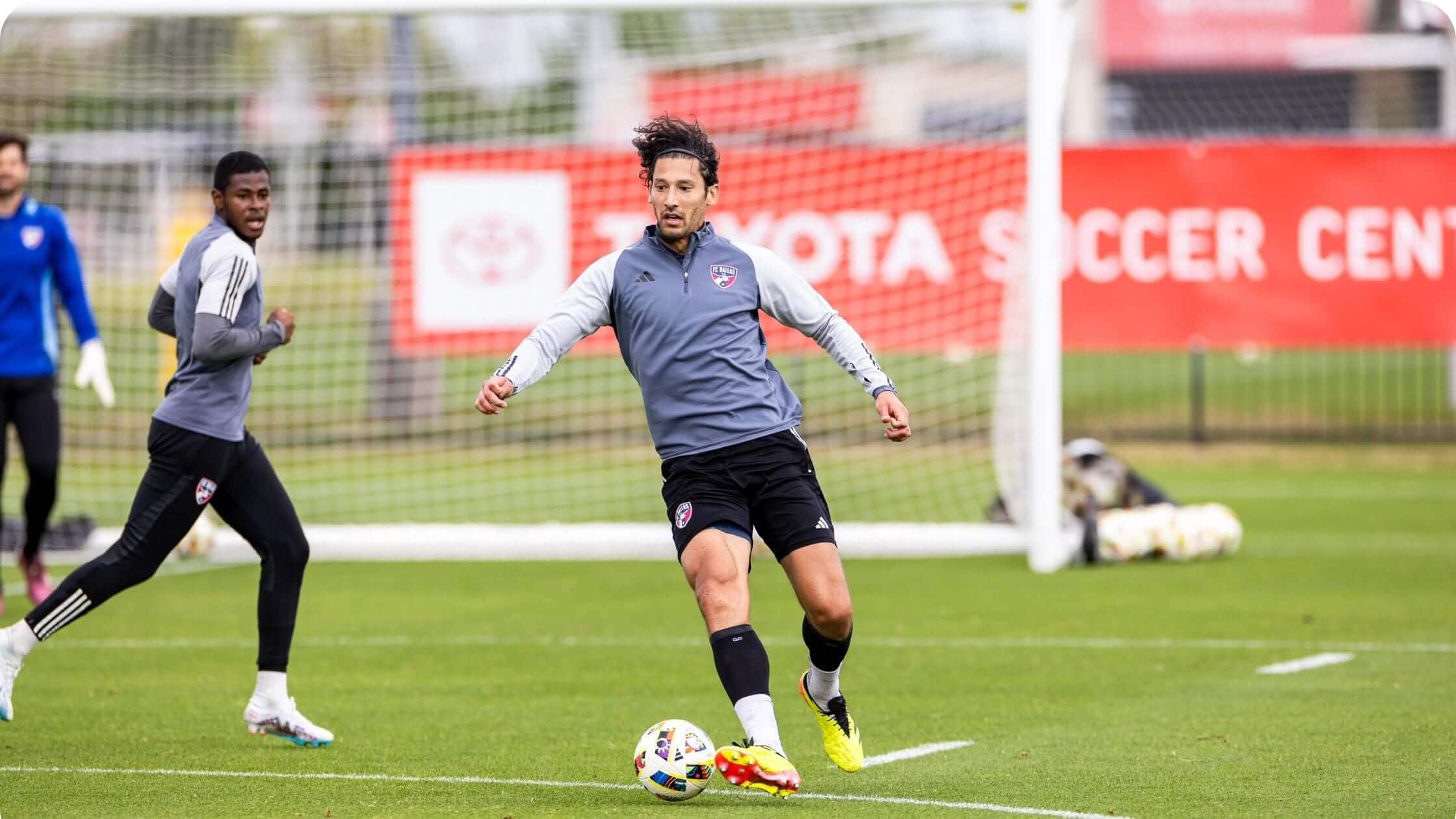
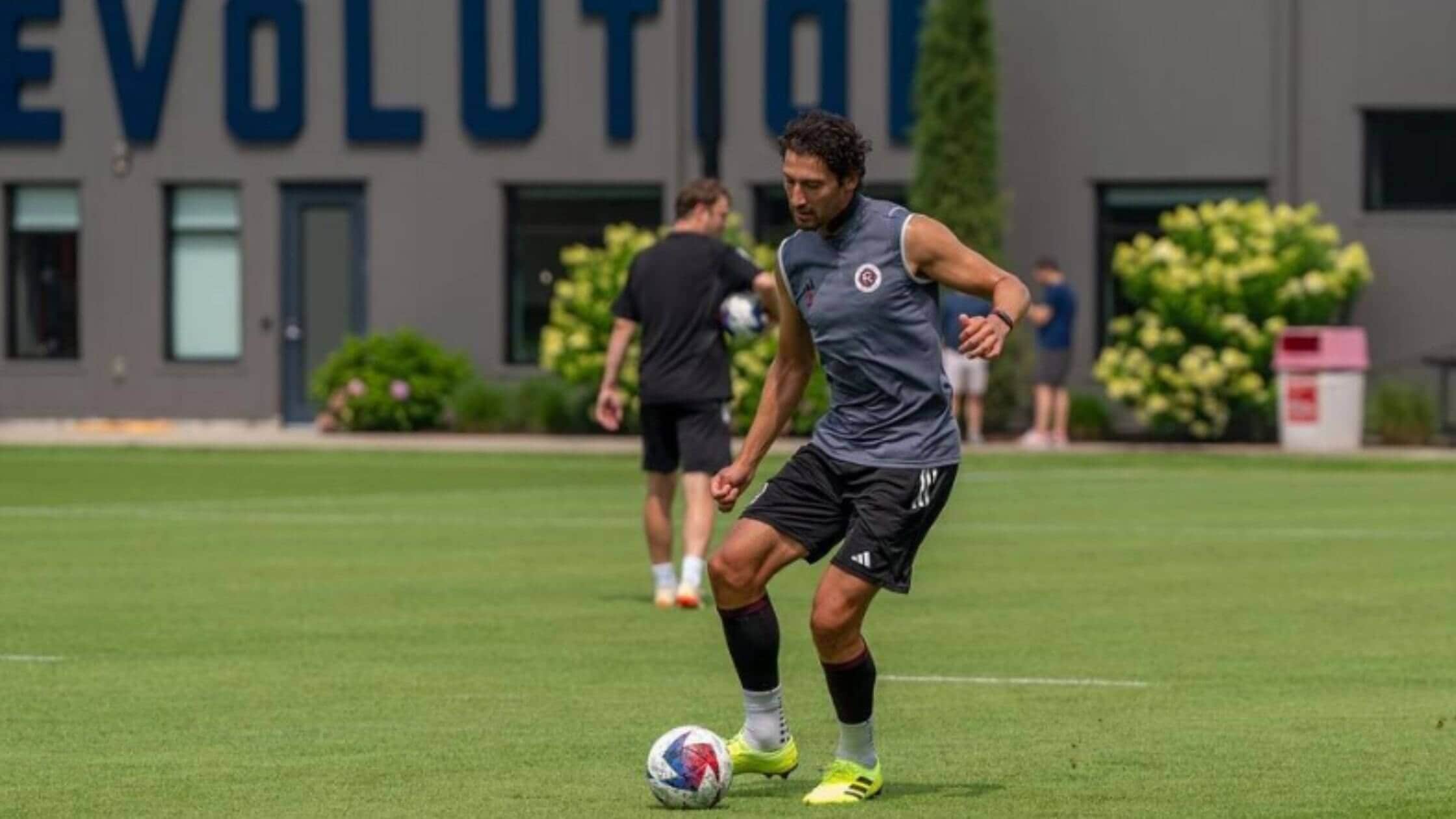 Omar Gonzalez, US Men's National Team and Major League Soccer legend and GO Sleeves partner, wearing GO Sleeves calf compression sleeves during training.
Why Soccer Players Get Shin Splints
Soccer combines high-impact running, quick direction changes, and explosive sprints—all on surfaces that don’t forgive.
The Surface Problem
Artificial Turf: Harder than natural grass. Less give on impact. Your shins absorb more stress with every footstrike. Shin splint rates are 15-20% higher on turf compared to grass.
Hard Natural Fields: Dry, compacted grass in summer plays almost like concrete. Same high-impact problem as turf.
Uneven Surfaces: Recreational fields with divots and uneven ground create inconsistent loading patterns. Your tibialis posterior works overtime to stabilize your foot.
The Volume Problem
Box-to-Box Running: Midfielders cover 7-12 kilometers per match. That’s 5,000-8,000 footstrikes per game. Add training sessions and you’re at 30,000+ footstrikes per week.
Your shins don’t get a break. Micro-damage accumulates faster than tissue can heal.
Position-Specific Risk
Midfielders (Highest Risk):
Cover the most distance
Constant changes of pace (sprint-jog-sprint pattern stresses shins)
Most footstrike volume per match
Wingers/Forwards:
High-intensity sprints create massive impact forces
Sharp cuts while sprinting load shins asymmetrically
Moderate volume but high peak stress
Defenders:
Lower total distance but still significant
Explosive directional changes during defensive plays
Moderate risk
Goalkeepers (Lowest Risk):
Minimal running volume
Rare shin splint cases
Biomechanical Factors
Overpronation: When your foot rolls inward excessively, your tibialis posterior muscle has to work harder to control the motion. This overloads the muscle and its attachment to the tibia.
Weak Calves: Your gastrocnemius and soleus absorb impact during running. Weak calves transfer more stress to the shin muscles.
Tight Calves: Limited ankle dorsiflexion (bringing toes toward shin) changes landing mechanics and increases shin stress.
Poor Hip Control: Weak glutes allow your femur to rotate inward during footstrike, affecting lower leg alignment and shin loading.
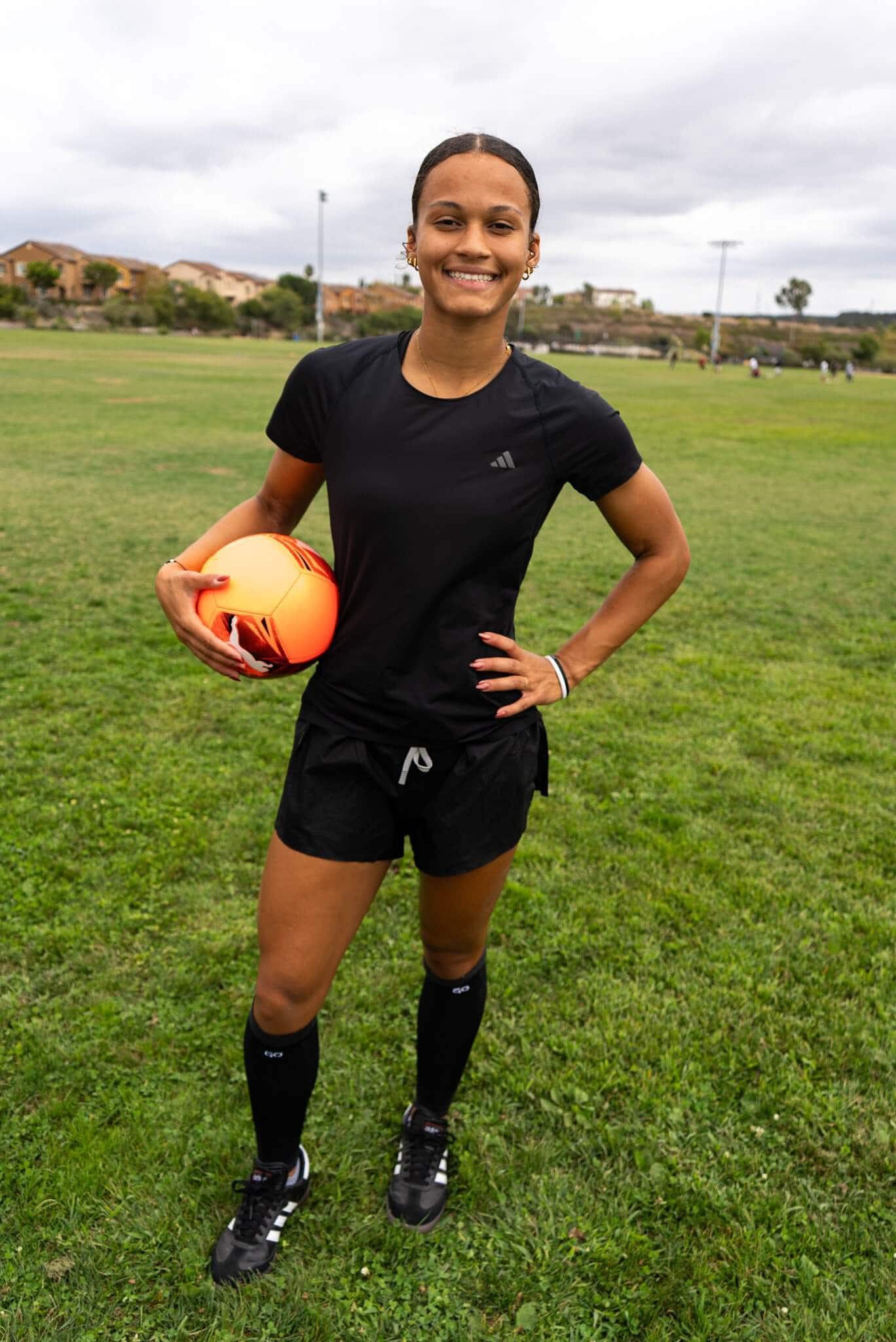 Trinity Armstrong, GO Sleeves partner and national league soccer player, wearing GO Sleeves calf compression sleeves during training
Prevention Strategies That Actually Work
Prevention is about managing training load and fixing biomechanical weaknesses.
1. Build Calf and Shin Strength
Strong muscles absorb impact better and reduce stress on the bone.
Calf Raises:
Stand on step edge, heels hanging off
Rise up on toes, pause at top
Lower slowly (emphasize the eccentric phase)
3 sets of 15-20 reps
Progress to single-leg
Toe Raises:
Stand with back to wall
Lift toes toward shins, heels stay down
Hold 2 seconds
3 sets of 20 reps
Heel Walks:
Walk on heels with toes lifted
30-60 seconds
3 sets
Strengthens tibialis anterior
Resistance Band Dorsiflexion:
Sit with band around foot
Pull toes toward shin against resistance
3 sets of 15 per foot
2. Improve Ankle Mobility
Tight calves restrict ankle motion and increase shin stress.
Standing Calf Stretch:
Lunge position, back leg straight
Keep back heel on ground
Lean forward until you feel calf stretch
Hold 60 seconds per side
2-3x daily
Soleus Stretch:
Same position, bend back knee
Feel stretch lower in calf
Hold 60 seconds per side
Wall Ankle Mobilization:
Face wall, toes 4-6 inches away
Bend knee toward wall without heel lifting
10-15 reps per side
3. Strengthen Hips and Glutes
Better hip control improves lower leg alignment during footstrike.
Single-Leg Glute Bridges:
Back on ground, one foot flat
Lift other leg
Drive through grounded heel, lift hips
Squeeze glutes at top
3 sets of 12 per leg
Lateral Band Walks:
Mini band around ankles
Quarter squat
Step sideways maintaining tension
3 sets of 15 steps each direction
Clamshells:
Side-lying, knees bent
Keep feet together, lift top knee
3 sets of 20 per side
4. Manage Training Load
Progressive Overload: Don’t jump from 5km to 10km running in one week. Build distance gradually (10% per week max).
Surface Variation: If you train on turf, add grass sessions when possible. Mix surfaces to reduce repetitive stress.
Monitor Weekly Distance: Track total running volume including training and matches. When you exceed 40-50km per week (for midfielders), risk climbs.
Rest Days: Schedule 1-2 complete rest days per week. Your shins need time to heal.
5. Choose Proper Footwear
Replace Cleats Regularly: Worn cleats lose cushioning. Replace every 6-12 months depending on use.
Consider Insoles: If you overpronate significantly, arch-supporting insoles can help control foot motion.
Match Cleats to Surface: Turf shoes for artificial surfaces, molded cleats for grass. Wrong cleats increase impact stress.
6. Use Calf Compression Sleeves to Support Shin Health
Calf compression sleeves for shin splints work by addressing two of the key drivers of MTSS: muscle oscillation and poor circulation during high-impact activity.
GO Sleeves Calf Sleeves are designed specifically for the demands of running sports. The embedded silicone patterns follow your gastrocnemius and soleus fiber orientation. These patterns reduce muscle oscillation during footstrike—less wasted energy means less stress on surrounding tissues, including your shins.
The graduated compression improves circulation and accelerates lymphatic drainage, helping clear inflammatory markers that build up during long matches. Many soccer players report reduced shin discomfort and faster recovery when wearing GO Sleeves calf compression sleeves during training and matches.
Treatment Protocol If You Already Have Shin Splints
If you’re dealing with pain, here’s the recovery plan:
Phase 1: Reduce Inflammation (Week 1-2)
STOP Running: Take 7-14 days completely off from soccer. This is non-negotiable. Running through shin splint pain risks stress fractures.
Ice: Apply ice for 15-20 minutes, 3-4 times daily. Use ice cup massage directly on the painful area.
Compression: Wear calf compression sleeves throughout the day to support circulation and reduce inflammation. GO Sleeves Calf Sleeves are designed for extended wear and provide the graduated compression that’s most effective for MTSS recovery.
Elevation: When resting, keep legs elevated above heart level.
NSAIDs (if appropriate): Ibuprofen or naproxen for first 3-5 days. Consult your doctor.
Phase 2: Active Recovery (Week 2-3)
Continue Ice & Compression: After any activity. Calf compression sleeves help manage the inflammation response as you begin loading the tissue again.
Cross-Train (pain-free only):
Swimming (excellent—no impact)
Stationary bike (if pain-free)
Upper body strength training
Core work
Start Strengthening: Begin calf raises, toe raises, heel walks. Do these daily.
Improve Flexibility: Calf stretching 2-3x daily.
Massage: Foam roll calves and gentle pressure on tibialis posterior muscle along inner shin.
Phase 3: Return to Soccer (Week 4+)
Week 4 (if pain-free walking):
Light jogging 10-15 minutes
Every other day only
Wear GO Sleeves calf compression sleeves for support
No direction changes, no sprints
Week 5 (if progressing):
Increase to 20-25 minutes jogging
Add light ball work (passing, no cutting)
Every other day
Week 6:
30-minute sessions
Add some direction changes (50% speed)
Light position-specific drills
Week 7+:
Gradual return to full training
Full matches only when completely pain-free
Continue strengthening work
Red Flags:
Any shin pain during activity
Swelling along shin
Pain that worsens with activity
Sharp, localized pain (possible stress fracture)
If pain returns, take another week off and restart progression.
When to See a Doctor
See a sports medicine doctor if:
Pain persists beyond 6 weeks despite rest
Sharp, localized pain (possible stress fracture)
Significant swelling
Can’t bear weight on leg
Pain even when not running
You may need imaging (X-ray or MRI) to rule out stress fractures.
Position-Specific Prevention Tips
For Midfielders
Your Challenge: Highest running volume in soccer. Constant pace changes stress shins repeatedly.
Focus On:
Calf strengthening 3-4x per week (you need maximum capacity)
Monitor weekly running distance closely
Use calf compression sleeves during matches to manage fatigue and reduce footstrike impact over 90 minutes
Take rest days seriously—you cover more ground than anyone
For Wingers and Forwards
Your Challenge: Explosive sprints create high peak forces on shins.
Focus On:
Landing mechanics during directional changes
Hip and glute strength for better control during cuts
Proper warm-up before sprint work
Surface awareness (turf increases risk)
For Defenders
Your Challenge: Explosive defensive movements with less volume than midfielders.
Focus On:
Maintaining calf strength to handle explosive efforts
Proper recovery between matches
Ankle mobility for better shock absorption
Long-Term Prevention: Stay Shin-Splint Free
The best way how to prevent shin splints in soccer players long-term is consistency across five areas.
- Continue Strengthening: Calf raises and toe raises 2-3x per week. Forever. This is maintenance.
- Monitor Surface Type: Track how much you train/play on turf vs grass. Try to limit turf exposure when possible.
- Replace Cleats Regularly: Don’t wait until they’re falling apart.
- Listen to Early Warnings: Slight shin discomfort after a match? Take an extra rest day.
- Use Calf Compression Sleeves Proactively: Many players wear GO Sleeves calf compression sleeves during training and matches to manage impact stress before it becomes a problem. The best time to start is before pain develops.
FAQs
What is the best way to prevent shin splints in soccer players?
The most effective approach combines calf strengthening 3-4x per week, ankle mobility work, smart training load management, and calf compression sleeves during matches. Address all four consistently and most players stay shin-splint free.
Can I keep playing soccer with shin splints?
No. Playing through shin splint pain risks developing stress fractures, which require 6-12 weeks of complete rest. Take 2-4 weeks off now or risk much longer later.
Are shin splints more common on turf or grass?
Turf. The harder surface creates more impact stress. Shin splint rates are 15-20% higher on artificial turf compared to natural grass.
Why do midfielders get shin splints most often?
They cover the most distance (7-12km per match). More footstrikes = more cumulative stress on shins. The constant pace changes (sprint-jog-sprint) also create repetitive loading.
How long do shin splints take to heal?
Mild cases improve in 2-3 weeks with rest. Moderate cases take 4-6 weeks. Severe cases can require 8-12 weeks. Early intervention shortens recovery dramatically.
Can I run through shin splints if they only hurt at first?
No. Pain that improves during running is still shin splints. Your body is flooding the area with endorphins that mask pain temporarily. The damage continues even when pain decreases mid-run.
Do compression sleeves actually help with shin splints?
Yes—calf compression sleeves for shin splints address two of the key mechanical contributors to MTSS. Standard compression provides general support. GO Sleeves go further: the embedded silicone patterns reduce muscle oscillation during footstrike, and the graduated compression enhances circulation to clear the inflammatory markers that accumulate during long matches. They’re not a replacement for rest and strengthening, but calf compression sleeves are one of the most effective tools for managing shin health during training and return to play.
Will shin splints turn into stress fractures?
They can if you keep playing through pain. Shin splints are soft tissue inflammation. Stress fractures are cracks in the bone. Continuing to run on inflamed shins increases stress fracture risk significantly.
Can I prevent shin splints with better cleats?
Proper footwear helps but isn’t enough alone. Worn cleats with no cushioning increase risk. But you also need adequate calf strength, ankle mobility, and smart training load management.
Should I ice or heat shin splints?
Ice in the first 72 hours after pain develops. After that, ice is still beneficial after activity. Heat can help before activity to warm tissues, but ice is more effective for managing inflammation.
GO Sleeves for Soccer Players
Shin splints are a load management problem — your shins are absorbing more stress than your tissue can repair between sessions. GO Sleeves calf compression sleeves are designed to reduce that stress at the source.
The embedded silicone patterns follow the fiber orientation of your gastrocnemius and soleus, reducing muscle oscillation on every footstrike. Less oscillation means less micro-trauma to the connective tissue along your tibia — the exact mechanism behind MTSS.
The graduated compression also accelerates circulation and lymphatic drainage, clearing the inflammatory markers that accumulate over 90 minutes of high-volume running. For midfielders covering 7-12km per match, that recovery advantage compounds across a full season.
GO Kinesiology + Compression Calf Sleeves
$99.95
Just pull them on, and off you go! GO Sleeves® Calf Sleeves are the world’s only compression sleeves with built-in kinesiology strips to secure, correct, and support key ligaments, tendons, and muscles in and around your calf and shin. Unlike… Read More
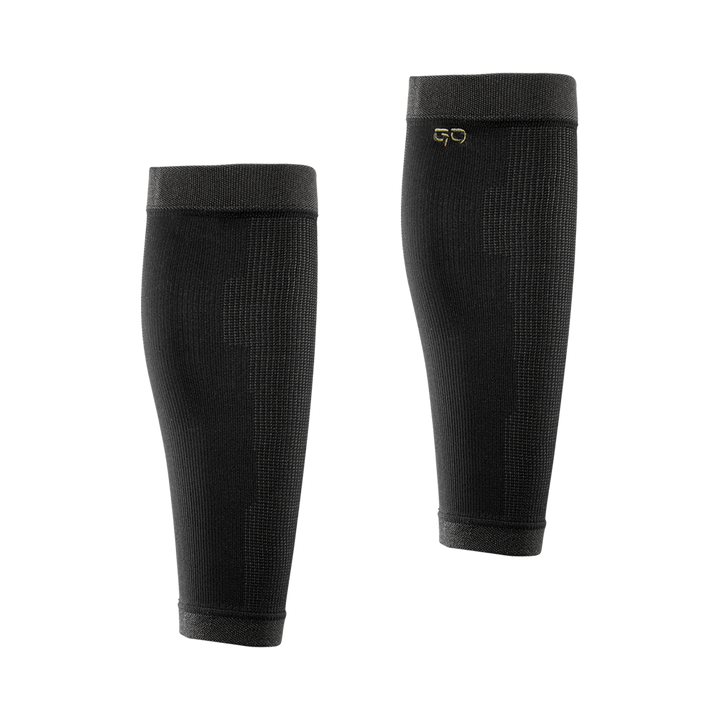
45-day risk-free trial. Free size exchanges. Free shipping over $40.
The Bottom Line
Shin splints develop from repetitive impact stress that exceeds your body’s capacity to repair tissue between sessions. Soccer players hit their shins with thousands of footstrikes per match, especially on hard surfaces.
Prevent shin splints by building calf strength, improving ankle mobility, managing training volume, and using calf compression sleeves to reduce impact stress during play.
If you already have them, rest is required. Continuing to play risks stress fractures and months on the sidelines.
Strengthen your calves, stretch daily, manage your training load, and support your shins during play.
Medical Disclaimer: The information provided in this article is for educational purposes only and does not constitute medical advice, diagnosis, or treatment. Always seek the advice of your physician or other qualified health provider with any questions you may have regarding a medical condition or injury.