Table of Contents
- Why recovery matters more than you think
- 5 Soccer Recovery Tips to Bounce Back Between Games
- Why Soccer Is Uniquely Hard on Your Calves
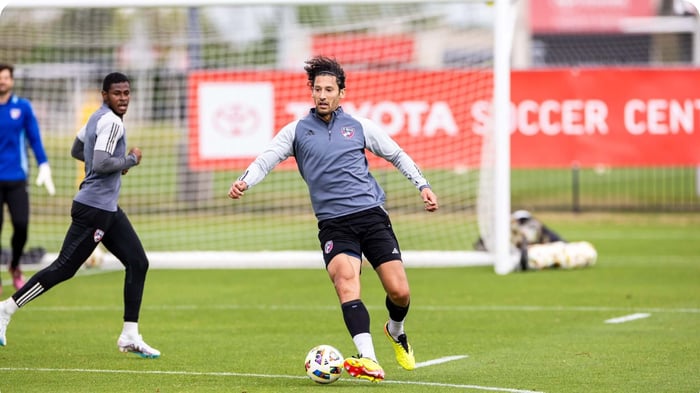
- GO Sleeves brand ambassador Omar Gonzalez wears GO Calf Sleeves during play to support soccer recovery on and off the field.
- How GO Calf Sleeves Support Soccer Recovery
- Bonus: Tournament-day recovery checklist
- Recovery Mistakes That Slow You Down
- FAQs
- The Bottom Line
Why recovery matters more than you think
If you're looking for soccer recovery tips that actually work between games and tournaments, you're already ahead of most players who just wing it. Soccer takes a toll—on your legs, your joints, and your ability to bounce back. Sprints, sudden stops, tackles… it adds up fast.
And let’s be real: most of us aren’t getting the recovery time we need.
If you’re juggling tournaments, two-a-days, or back-to-back league games, the in-between matters. Recovery isn’t extra — it’s essential.
5 Soccer Recovery Tips to Bounce Back Between Games
1. Cool down, even if you're wiped
When the game ends, it’s tempting to drop straight to the bench. But taking just 5–10 minutes to cool down can make a big difference. It helps your body shift gears and flush out lactic acid, so you’re not hobbling around the next day.
Start with a slow jog or brisk walk, then hit some quick stretches — especially for your:
Hamstrings
Quads
Calves
Hip flexors
Skip the cooldown and you’re almost guaranteed to wake up tight and sore.
2. Refuel with real recovery nutrition
After a full game, your body’s running low on everything: energy, nutrients, fluids. The quicker you refuel, the better. Try to eat something within 30–60 minutes that covers the basics:
Carbs to replenish energy stores
Protein to repair muscle tissue
Fluids + electrolytes to rehydrate
Tip: Coconut water or sports drinks with added sodium/potassium are great options for tournament days.
3. Get your legs up (literally)
After all that running, your legs need a break, and not just sitting around. Elevating them can help reduce swelling and speed up recovery, especially if you’ve been on turf or hard surfaces.
How to do it:
Lie flat on your back
Prop your feet up on a wall or bench for 10–15 minutes
Pair this with light compression to support circulation (see tip #5 👇).
4. Don’t skip sleep — it’s performance fuel
The most underrated recovery tool? Sleep. Your muscles do most of their repair work while you sleep — especially in the first few hours of deep sleep.
Poor sleep = longer recovery, slower reaction times, higher injury risk
Tip: Aim for 8–9 hours if you’ve had an intense match (or multiple in a weekend).
5. Support your recovery with GO Sleeves
Soccer beats up your lower body, especially your calves, knees, and quads — which is exactly where soccer recovery make the biggest difference. GO Calf Sleeves are built with targeted support inspired by kinesiology tape to help:
Improve circulation
Reduce soreness and inflammation
Ease muscle fatigue
Speed up post-game recovery
They’re light, breathable, and easy to wear under joggers or warmups. Throw them on between games, after the match, or even during long drives to keep your legs feeling ready, not wrecked.
Why Soccer Is Uniquely Hard on Your Calves
Soccer isn't just running — it's constant stopping, starting, and changing direction, and your calves absorb the brunt of it.
Every sprint loads the calf eccentrically, meaning the muscle is lengthening and contracting at the same time as you push off. Every cut or sudden stop sends a shockwave up your leg, causing the muscle to "wobble" against the bone — a phenomenon called muscle oscillation. On turf or hard grounds, that impact is even sharper than on natural grass.
Now multiply that by 90 minutes. Or two games in a day. Or a full weekend tournament. The calf doesn't get a real break between efforts, so the micro-damage from oscillation and eccentric loading stacks up faster than your body can repair it in between whistles.
That's why your calves are often the first thing to feel wrecked after a heavy soccer weekend — and why recovery there matters more than almost anywhere else on your body.
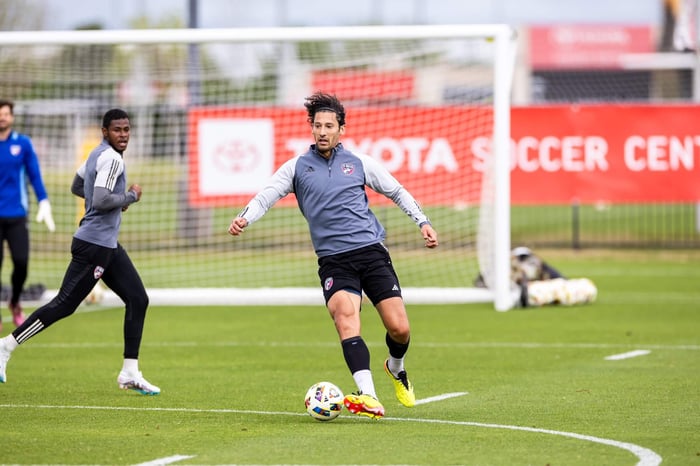 GO Sleeves brand ambassador Omar Gonzalez wears GO Calf Sleeves during play to support soccer recovery on and off the field.
GO Sleeves brand ambassador Omar Gonzalez wears GO Calf Sleeves during play to support soccer recovery on and off the field.How GO Calf Sleeves Support Soccer Recovery
Every sprint, cut, and sudden stop sends a shockwave through your calves. That impact causes the muscle to "wobble" against the bone — known as muscle oscillation — and it adds up fast over 90 minutes, let alone multiple games in a weekend.
GO Calf Sleeves are built to dampen that oscillation. The built-in silicone kinesiology strips hug the muscle belly, anchoring it against the skin so there's less vibration with every stride. Less oscillation means less micro-trauma — which means less soreness the next morning.
There's also the recovery side. The graduated compression helps push blood and metabolic waste (like lactic acid) back toward your heart, speeding up the "flush" your legs need after a hard match. Wear them during the game for support, then keep them on afterward — during the drive home, at halftime of a tournament, or even while you sleep — to keep that process going.
The Takeaway: GO Calf Sleeves aren't just for the game. They work before, during, and after — which is exactly when soccer recovery actually happens.
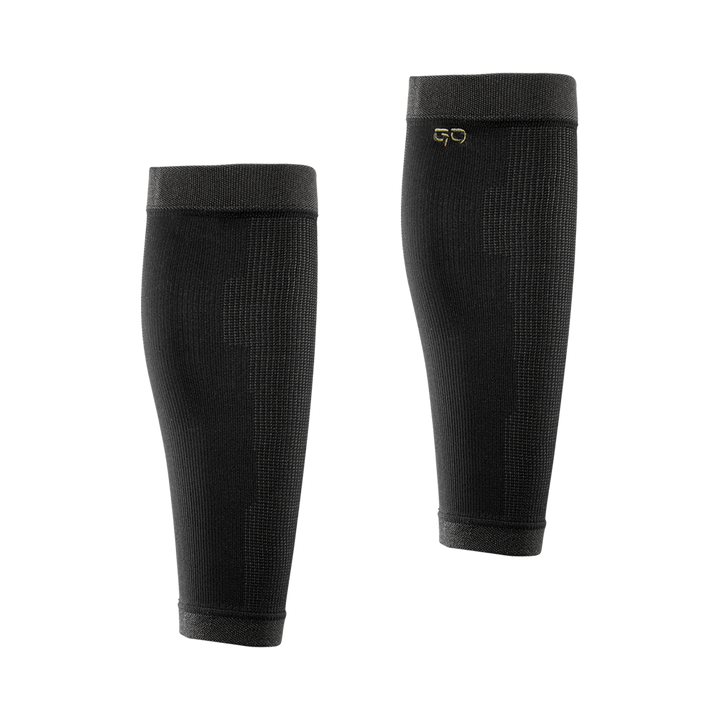
GO Kinesiology + Compression Calf Sleeves
$99.95
Just pull them on, and off you go! GO Sleeves® Calf Sleeves are the world’s only compression sleeves with built-in kinesiology strips to secure, correct, and support key ligaments, tendons, and muscles in and around your calf and shin. Unlike… Read More
Bonus: Tournament-day recovery checklist
Need soccer recovery tips for back-to-back games?
Here’s your cheat sheet:
Light jog + stretch for 10 minutes
Rehydrate (water + electrolytes)
Small carb + protein snack
Elevate legs or walk lightly
Use GO Sleeves to reduce swelling and keep muscles primed
Repeat between games and you’ll feel the difference.
Recovery Mistakes That Slow You Down
Even players who try to recover well can undo their own progress with a few common habits.
- Skipping the cooldown because you're "fine." You already know to cool down (tip #1) — but adrenaline masks soreness in the moment, so skipping it because you feel okay is exactly how you end up stiff the next morning.
- Icing everything, all the time. Ice has a place for acute swelling, but overusing it can actually reduce the blood flow your muscles need to repair. Save it for genuinely swollen or acutely painful spots, not routine post-game soreness.
- Eating "whenever," instead of within that first hour. You already know refueling matters (tip #2) — but your body is most primed to absorb carbs and protein right after the final whistle. Waiting three or four hours to eat a real meal means you're recovering on a delay.
- Trading sleep for a late tournament dinner or scrolling in the hotel room. Sleep is your best recovery tool (tip #4) for a reason — deep sleep is when most muscle repair actually happens, and losing an hour or two of it adds up fast across a multi-day tournament.
- Assuming rest days should be fully sedentary. Total rest without any movement can leave you stiffer than light activity would. A short walk or easy spin the day after a hard match often helps more than doing nothing at all.
Small mistakes like these are often the real reason players feel wrecked by day two of a tournament instead of ready to go again.
FAQs
What's the fastest way to recover between back-to-back soccer games?
Prioritize a short cooldown (5–10 minutes of light jogging and stretching), rehydrate with electrolytes, eat a carb + protein snack within an hour, and elevate your legs when you can. Skipping any one of these slows the whole process down.
Should I ice my legs after every soccer game?
Ice can help take the edge off acute soreness, but it's not a substitute for the basics — cooldown, nutrition, hydration, and sleep do more for long-term recovery than ice alone.
How much sleep do soccer players need after a tough match or tournament day?
Aim for 8–9 hours, especially after playing multiple games in one day. Most of your muscle repair happens during deep sleep, so cutting sleep short is one of the fastest ways to show up sore and slow the next day.
Can compression sleeves actually help with soccer recovery?
Yes — compression supports circulation, which helps flush out metabolic waste from hard sprints and sudden stops. GO Sleeves add targeted, kinesiology-inspired support on top of that, specifically for calves and knees.
What should I eat right after a soccer game to recover faster?
Try to eat within 30–60 minutes of the final whistle. Look for a mix of carbs (to replenish energy), protein (to repair muscle), and fluids with electrolytes (to rehydrate) — coconut water or a sports drink with sodium/potassium works well on tournament days.
The Bottom Line
You don’t build endurance just by playing. You build it by recovering smart.
Soccer recovery isn’t just ice baths and luck. With the right cooldown routine, smart nutrition, and active recovery tools like GO Sleeves, you’ll be ready for kickoff — game after game. The players who last a full tournament aren't the ones who play the hardest between whistles; they're the ones who recover the smartest in between.