Table of Contents
- What Causes Pickleball Knee Pain Over 50
- Why Pickleball Movements Trigger Knee Pain Over 50
- Treatment Options for Pickleball Knee Pain Over 50
- Supplements: What the Research Says for Pickleball Knee Pain Over 50
- NBA Hall of Famer Rick Barry — now in his 80s — continues competing in national pickleball tournaments, proving that players managing pickleball knee pain over 50 can stay on the court for decades with the right approach to movement and joint care.
- Adjusting Expectations (Without Lowering the Bar)
- FAQs
- The Bottom Line
- Movement Support That Helps Prevent Pickleball Knee Pain Over 50
- Related Resources
If you're dealing with pickleball knee pain over 50, you're not alone.
You discovered pickleball at 58. Finally, a sport that doesn't wreck your joints the way tennis did. Three sessions a week. A regular group. The best shape you've been in years.
Then your knee starts talking back. First just stiffness after playing. Then discomfort during those low lunges. Now you're noticing it on stairs and when you get up from a chair.
Your doctor says it's "normal wear and tear for your age." Maybe suggests cutting back on pickleball. Or mentions surgery down the road.
Your knees at 50-plus aren't operating on the same timeline as your enthusiasm. Cartilage thins. Meniscus tears happen. Recovery stretches from 24 hours to 48. That's biology, not a complaint. Knee pain doesn't have to end your pickleball career, though. With the right approach — strengthening, smart play adjustments, and proper support — most players over 50 keep playing for years.
This guide explains what's actually happening in your aging knees and what to do about it.
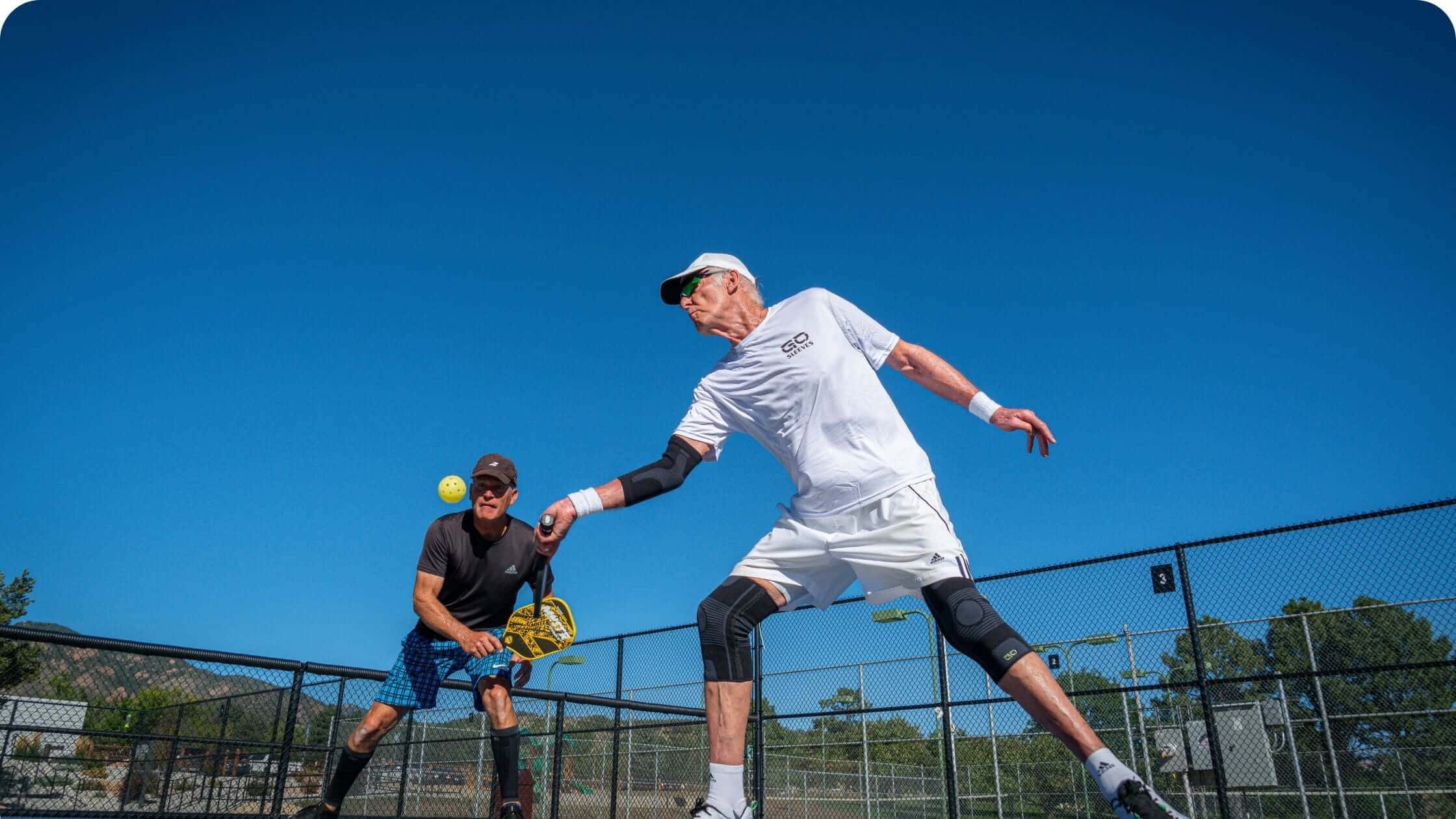
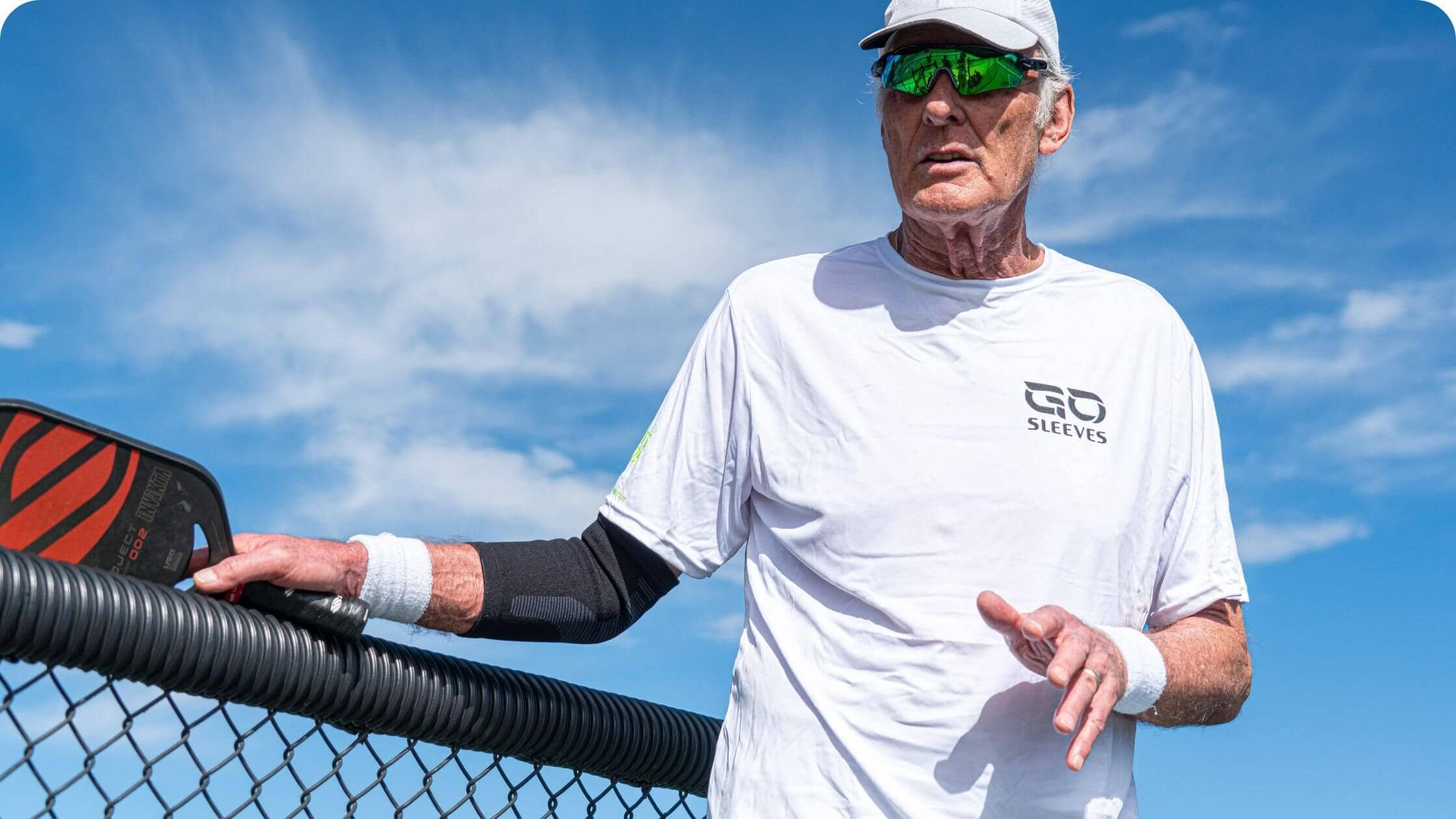
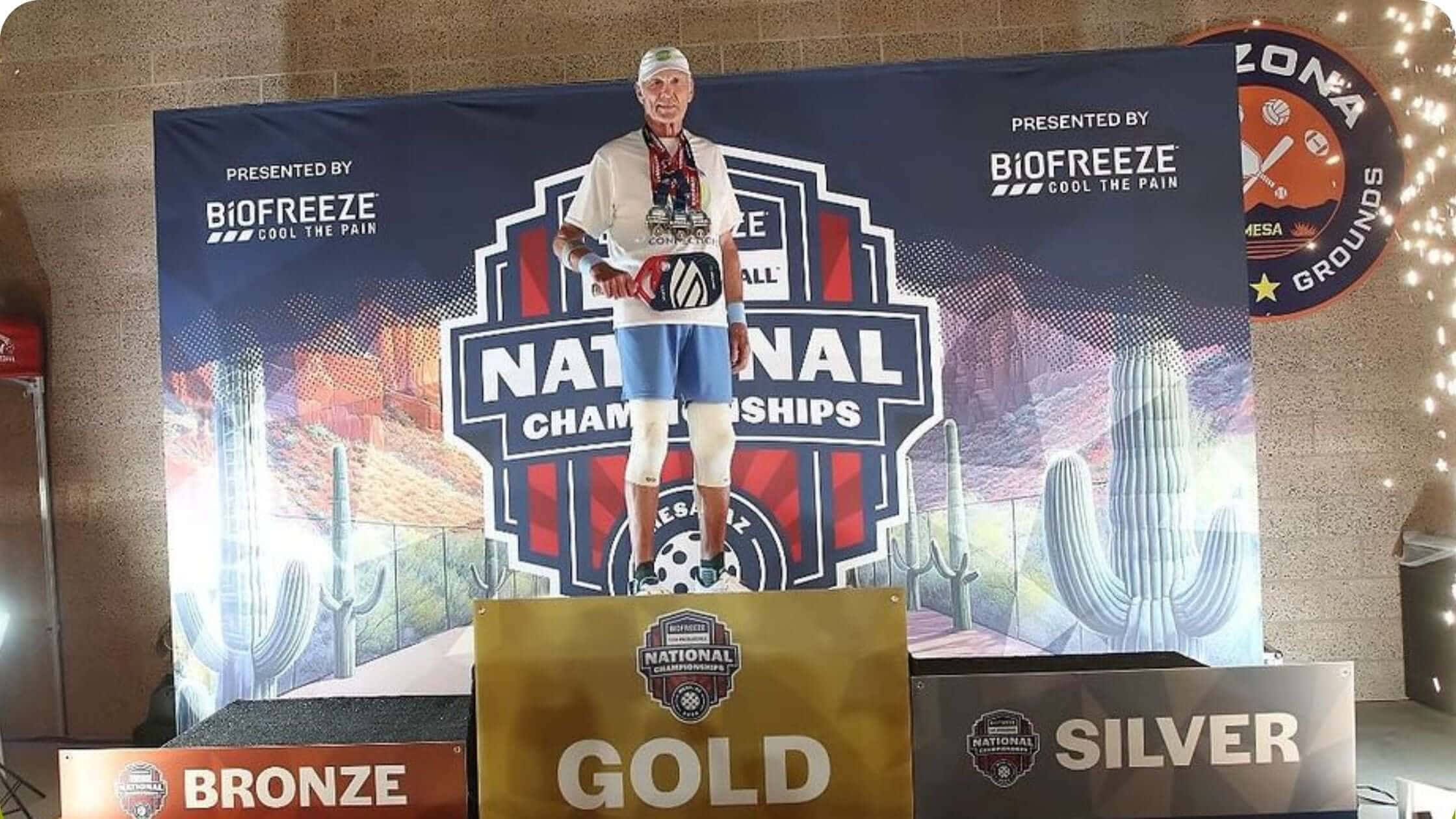 NBA Hall of Famer Rick Barry winning a national pickleball championship medal in his 80s while wearing GO Sleeves knee support — proof that pickleball knee pain over 50 doesn’t have to end your competitive career.
What Causes Pickleball Knee Pain Over 50
Your knees have been working for decades — climbing stairs, getting in and out of cars, walking, running, squatting. Over time, that wear adds up. For many players, understanding how to manage pickleball knee pain over 50 is the key to staying competitive and enjoying the sport long term.
Cartilage Changes
The articular cartilage — smooth tissue covering the ends of bones — thins with age. It loses water content and becomes less elastic. This is osteoarthritis in its early stages. The result is less cushioning between bones, more friction during movement, and more pain during weight-bearing activities like the lunges pickleball demands constantly. Progression can be slowed and symptoms managed, even if the underlying change can't be reversed.
Meniscus Degradation
Your meniscus — the shock-absorbing cartilage discs inside your knee — develops small tears from decades of use. Many people over 50 have meniscus tears and don't know it. Less shock absorption means more stress on surrounding cartilage, and sometimes pain, swelling, or a catching sensation during movement. Worth knowing: most meniscus tears in people over 50 don't need surgery. Physical therapy and targeted strengthening produce equal or better outcomes than arthroscopic surgery for degenerative meniscus tears — multiple large studies confirm this.
Reduced Synovial Fluid
The lubricating fluid in your joint decreases with age, so your knee doesn't glide as smoothly. That's the mechanical explanation behind the morning stiffness most people over 50 experience — the knee needs movement to redistribute fluid and reduce friction.
Slower Tissue Repair
Collagen production decreases. Blood flow to cartilage (already limited) decreases further. Inflammation takes longer to resolve. Recovery from a hard playing day takes 48–72 hours instead of 24. Micro-damage accumulates when you don't respect that window.
Why Pickleball Movements Trigger Knee Pain Over 50
Pickleball is genuinely easier on joints than tennis or running, but pickleball knee pain over 50 is still common because of the sport’s quick lunges and stop-start movement patterns. The movement patterns create specific stress on aging knees, though, and understanding them helps you adapt.
The Lunge Problem
Pickleball keeps you in a low, ready position. You lunge forward for drop shots and laterally for wide balls. These deep knee flexion movements compress the patellofemoral joint — kneecap on thighbone — where cartilage tends to be thinnest with age, making it a common source of pickleball knee pain over 50.
The Stop-Start Pattern
You're constantly accelerating and decelerating. Quick steps to the kitchen line. Back-pedaling for lobs. This creates repetitive impact loading that your knees absorb with every direction change.
The Court Surface
Most pickleball courts are concrete or asphalt — less forgiving than grass or clay. More impact transmits to your knees with every step, every pivot, every hard stop at the kitchen line.
The "Just One More Game" Problem
Pickleball is addictive. Games are short. You play two, feel fine, play three more. Before you notice it, you've been on the court for two hours when your 60-year-old knees budgeted for ninety minutes. Volume accumulates faster than it feels.
Prevention Strategies for Aging Knees
You can't stop aging. You can build resilience and slow decline significantly.
Strengthen Strategically
Quadriceps are the primary load-sharing muscle for your kneecap — weak quads mean more stress transferred directly to the joint.
Terminal Knee Extensions target the vastus medialis oblique (VMO), the inner quad that tracks your kneecap. Stand with a resistance band looped behind the knee, start with slight bend, then extend fully through the last 30 degrees. Three sets of 15 daily. This is the single most targeted exercise for kneecap tracking mechanics.
Wall Sits build quad endurance without impact. Back against wall, slide to a 90-degree knee bend, hold 30–60 seconds. Three sets. Unglamorous and effective.
Step-Ups on a low surface (4–6 inches, no higher) build functional strength for getting up from low positions — which is essentially what every lunge return requires. Three sets of 10 per leg, controlled descent.
Hamstring curls balance quad strength and protect the knee during dynamic movement. Machine or resistance band, three sets of 12–15. Balanced strength around the joint reduces injury risk during the lateral cuts pickleball demands.
Prioritize Mobility
Range of motion work keeps the joint moving through its full arc as cartilage changes. Seated knee flexion/extension — straighten fully, bend toward the glutes — ten reps, two or three times daily. Hip circles and leg swings daily address mobility upstream; tight hips compensate by overloading knees. Calf stretches and wall ankle stretches improve dorsiflexion, because stiff ankles force knees to absorb more impact on every step.
Play Smarter
Staying closer to the kitchen line reduces the running distance per point. Letting deep lobs go — rather than sprinting back for every one — preserves knee resources for the shots that actually matter. Using angles and placement instead of power generates fewer explosive movements. Doubles covers less court, runs less, and allows more strategic positioning that protects joints. Playing the percentages on every shot is as much a joint protection strategy as it is a game strategy.
Surface selection matters more than most players acknowledge. Indoor courts often have better cushioning than outdoor concrete. Seek rubberized surfaces when available.
Manage Playing Volume
Your knees need roughly 48 hours between intense sessions to avoid flare-ups of pickleball knee pain over 50. Playing daily might feel fine initially, but cumulative stress builds under the surface before you feel it. A sustainable weekly structure looks something like: play Monday, rest or walk Tuesday, play Wednesday, strength work Thursday, rest Friday, play Saturday, rest Sunday. Mild stiffness the next morning is normal. Swelling or pain that lingers 48 hours means you exceeded recovery capacity.
Warm Up — Every Time
Cold joints are stiff joints. Ten minutes before play: two or three minutes of walking at gradually increasing pace, leg swings in both directions, ten bodyweight squats, five lunges per leg, side shuffles to warm lateral movement patterns, then gradual practice swings. The warm-up isn't optional padding — it's the difference between joints that move well at game speed and joints that get stressed before they're ready.
Use Compression That Does More Than Compress
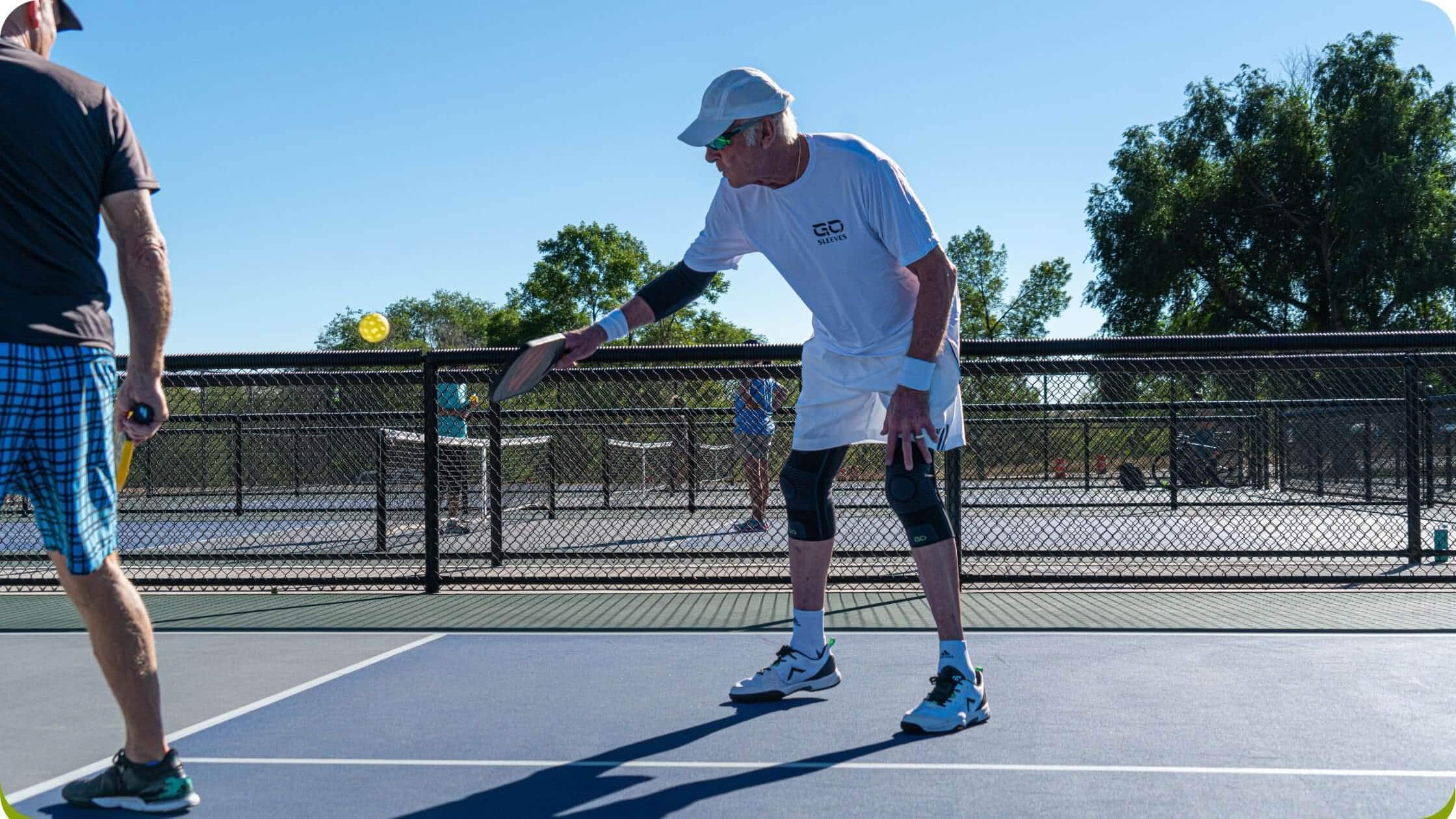
GO Sleeves knee sleeves provide proprioceptive support that matters specifically for aging knees. Proprioception — your knee's sense of its own position and movement — naturally declines with age. The embedded silicone kinesiology patterns in GO Sleeves activate mechanoreceptors in the skin and fascia, restoring feedback your nervous system uses to track and stabilize the joint during lunges and lateral movement.
The graduated compression also supports circulation. Better blood flow means better nutrient delivery to cartilage (which has limited blood supply to begin with) and faster removal of inflammatory byproducts after playing. Many players over 50 wear GO Sleeves during play and for hours afterward.
GO Sleeves apply the same biomechanical principles as kinesiology taping — skin stretch to activate mechanoreceptors and enhance proprioception — built into a reusable sleeve with consistent positioning every time. Tape effectiveness varies based on who applies it and degrades with sweat and movement; GO Sleeves maintain their pattern throughout activity. Working with your physician or physical therapist to identify the right level of support for your specific knee condition is always worthwhile.
Treatment Options for Pickleball Knee Pain Over 50
If knee pain has already started, conservative treatment works well for most players when applied consistently. For many athletes, pickleball knee pain over 50 responds well to rest, strengthening, and smart recovery strategies.
Start Conservative
Take one to two weeks off pickleball — continue walking, swimming, or stationary cycling to maintain fitness without impact. Ice for 15–20 minutes after any activity during the return phase. A five-to-seven-day course of ibuprofen or naproxen addresses acute inflammation; consult your physician about longer-term use. Begin terminal knee extensions immediately — rest alone doesn't rebuild the muscle support the knee needs.
Compression throughout the day, including off-court hours, helps manage circulation and reduce residual swelling. Many players find consistent GO Sleeves use during recovery shortens the timeline for returning to full play.
Physical Therapy
Pain persisting beyond four to six weeks warrants a physical therapist who works with active adults and aging athletes. A good PT addresses the underlying drivers — muscle imbalances, movement pattern dysfunction, strength deficits, and range of motion limitations — rather than just managing symptoms. A typical protocol runs six to eight weeks at two to three sessions per week, and the exercises carry forward for long-term maintenance.
Injections
Corticosteroid injections reduce inflammation quickly and provide three to six months of relief for significant acute flare-ups. They're limited to three to four per year. Hyaluronic acid (gel) injections supplement joint lubrication in confirmed osteoarthritis cases; research on effectiveness is mixed, but some players report significant relief after a series of three to five injections. PRP (platelet-rich plasma) uses concentrated components from your own blood to support tissue repair — research is still developing, it's expensive, and insurance coverage is limited, but some promising results exist for osteoarthritis. Your physician can help determine which option fits your specific presentation.
Surgery: When It Makes Sense
Surgery is appropriate when mechanical symptoms appear (locking or giving way), when six or more months of conservative treatment have failed, when pain significantly limits daily activities rather than just sports, or when imaging confirms significant structural damage. For degenerative meniscus tears in people over 50 — the most common scenario — physical therapy works as well as or better than arthroscopic surgery according to multiple large clinical trials. Knee replacement addresses severe osteoarthritis that limits daily life; most surgeons prefer to delay it as long as possible given that implants have a 15–20 year lifespan.
Supplements: What the Research Says for Pickleball Knee Pain Over 50
Glucosamine/Chondroitin has mixed research, but roughly 40% of people report reduced pain. It takes two to three months to assess any effect and is generally safe. Worth a three-month trial. Omega-3 fatty acids provide anti-inflammatory benefits and support overall joint health; 2–3g daily from fish oil or algae oil. Turmeric/curcumin has some evidence for osteoarthritis pain reduction — it needs black pepper (piperine) for absorption, at 500–1,000mg daily. Collagen peptides show emerging evidence for joint support at 10–15g daily.
Expensive proprietary "joint support" blends with dozens of ingredients rarely outperform their simpler components. The basics — glucosamine, omega-3s, curcumin — have the most consistent support.
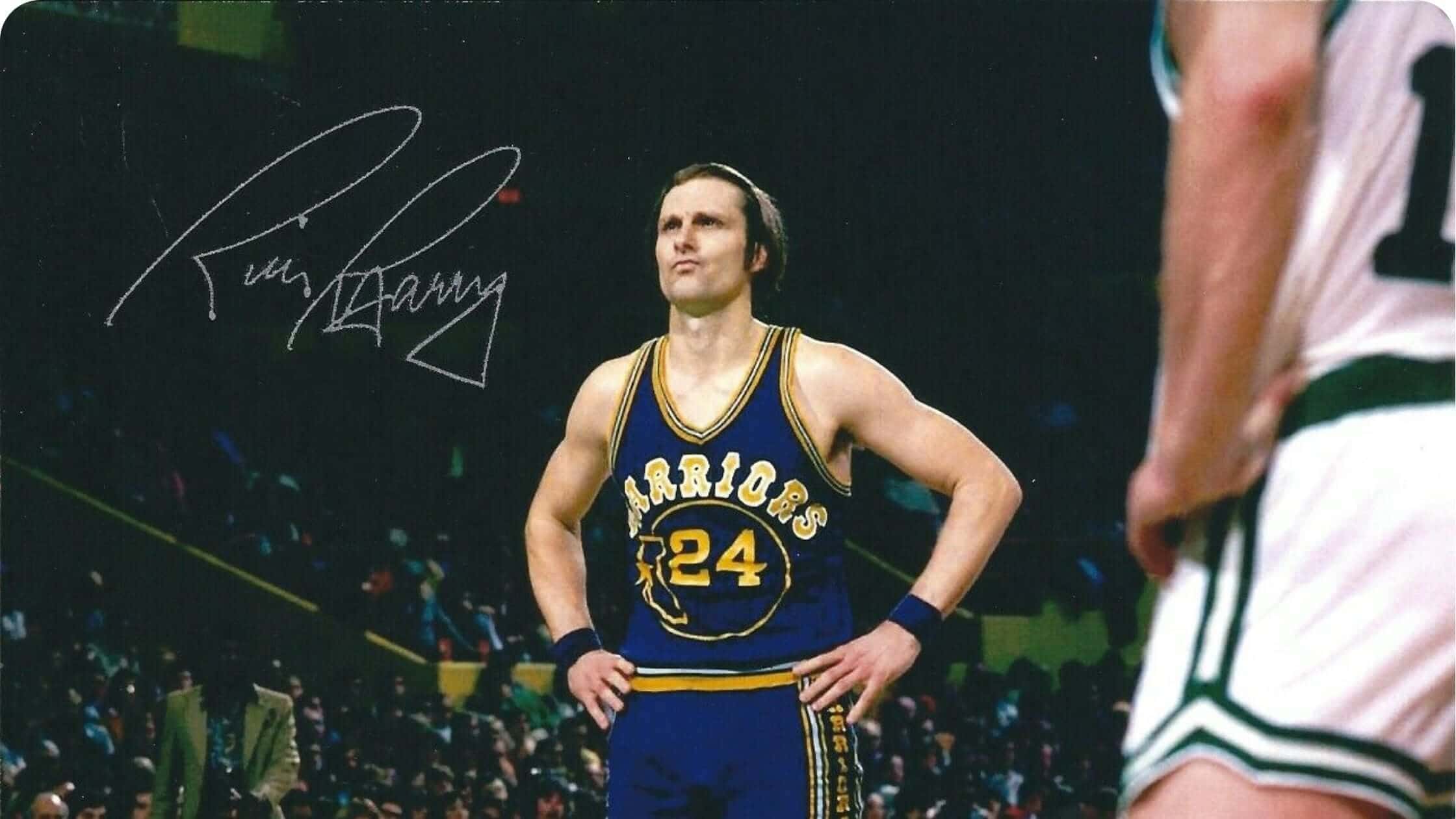 NBA Hall of Famer Rick Barry — now in his 80s — continues competing in national pickleball tournaments, proving that players managing pickleball knee pain over 50 can stay on the court for decades with the right approach to movement and joint care.
NBA Hall of Famer Rick Barry — now in his 80s — continues competing in national pickleball tournaments, proving that players managing pickleball knee pain over 50 can stay on the court for decades with the right approach to movement and joint care.Adjusting Expectations (Without Lowering the Bar)
At 50-plus, the relationship with your body changes. Recovery is longer. Aggressive play has consequences. That's not defeat — it's updated information.
Success looks like playing consistently without major flare-ups, enjoying the game and the social time, and maintaining the mobility that makes daily life good. Playing three days a week instead of five is a sustainable training decision. Rest days are recovery investments. Using compression support is sports intelligence. Modifying your court positioning is strategy.
The goal is playing at 70, 75, 80. That requires a sustainable approach now. Playing smart at 55 keeps you on the court for decades. Your physician and a good physical therapist are the right partners for building a plan that gets you there.
FAQs
Is knee pain just part of aging? Should I accept it?
Some cartilage changes are inevitable with age. But significant pain during activity isn't "normal." Most knee pain over 50 responds well to strengthening, volume management, and proper support.
Will I need knee replacement eventually?
Not necessarily. Many people play pickleball into their 70s and 80s without surgery. Knee replacement is for severe osteoarthritis that limits daily life—not just sports pain.
Should I stop playing pickleball if my knee hurts?
Not permanently. Take 1-2 weeks off, address the underlying issues (usually weak quads or poor movement patterns), then return gradually. Most people can keep playing with modifications.
Are knee braces better than compression sleeves?
Braces provide mechanical restriction—useful after acute injury. GO Sleeves enhance proprioception without restricting movement, which helps maintain proper mechanics during play. For degenerative knee issues in active players, proprioceptive support often works better than rigid bracing.
Can I reverse osteoarthritis in my knees?
No. But you can slow progression significantly through strength training, maintaining healthy weight, staying active, and managing inflammation. Many people with mild-moderate osteoarthritis play pickleball successfully for years.
How much should I modify my game?
Start with court positioning (staying forward), then playing frequency (48 hours between sessions), then intensity (choose strategic shots over explosive diving). Most players over 50 can keep playing competitively with minor adjustments.
Is pickleball bad for knees?
No. Pickleball is actually easier on knees than tennis or running. The key is appropriate volume, proper strengthening, and smart play adjustments. Many orthopedic surgeons recommend pickleball for staying active after 50.
Will glucosamine supplements help my knee pain?
Maybe. Research is mixed. About 40% of people report benefit. It's safe, so worth trying for 2-3 months. But don't skip strengthening exercises thinking supplements alone will fix it.
Can I play through mild knee pain?
Mild discomfort (2-3/10) that doesn't worsen during play is usually okay. Pain that increases during activity or causes limping means stop and rest. Listen to your body.
The Bottom Line
Your knees at 50, 60, 70 aren't the same as they were at 30. Cartilage thins. Meniscus tears happen. Recovery takes longer.
But pickleball knee pain over 50 doesn’t have to end your pickleball career.
Strengthen your quads (especially terminal knee extensions). Play 3 days a week instead of 5. Warm up properly. Use compression that enhances proprioception. Adjust your court positioning. Take rest days seriously.
Most players over 50 who do these things keep playing for decades. The goal isn't playing like you're 25. It's playing consistently, pain-free, and still being on the court at 75.
Your knees are aging. That's reality. But with the right approach, they can keep you playing pickleball for years to come.
Movement Support That Helps Prevent Pickleball Knee Pain Over 50
The right support strategy can make a major difference in how players manage pickleball knee pain over 50 while continuing to stay active.
Pickleball rewards consistency.
Quick lateral steps. Low lunges. Stop-start acceleration.
Over time, those movements place cumulative stress on the knee joint — especially when cartilage is thinning, recovery takes longer, and small meniscus changes start to appear.
Longevity in the sport isn’t about eliminating movement. It’s about supporting the joints that handle it.
Our GO Sleeves are designed around that same principle: support the body’s natural mechanics so you can keep playing for decades, not just seasons.
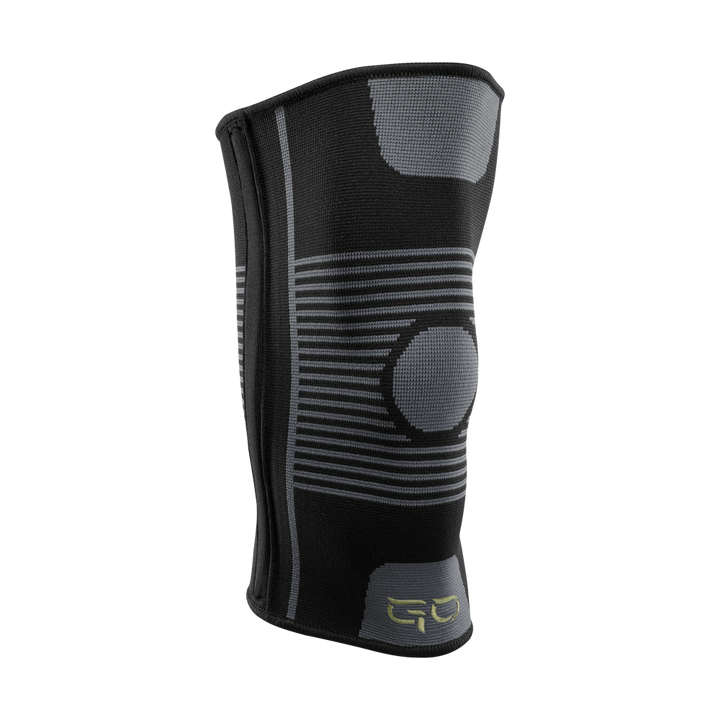
GO Knee Sleeve
Support the joint that absorbs every lunge and lateral step.
Pickleball places constant load on the knee — especially during low kitchen-line play, directional changes, and repeated deceleration.
GO Knee Sleeves combine graduated compression with built-in kinesiology strips designed to stimulate the body’s natural recovery and stabilization systems, helping players stay active while managing the realities of aging joints.
Benefits for pickleball players
• Support patellar tracking during lunges and lateral movement
• Improve circulation during and after play
• Enhance proprioception (joint position awareness)
• Reduce post-match stiffness and swelling
Many players wear their sleeves during play and for several hours afterward to help support recovery between sessions.
GO Kinesiology + Compression Knee Sleeve
$89.95
Don’t let knee pain sabotage your plans! Reduce pain, swelling, and soreness in and around your knee—and accelerate your body’s ability to recover and rebound so you can keep moving. Unlike compression sleeves which just compress, GO Sleeves® Knee Sleeves… Read More
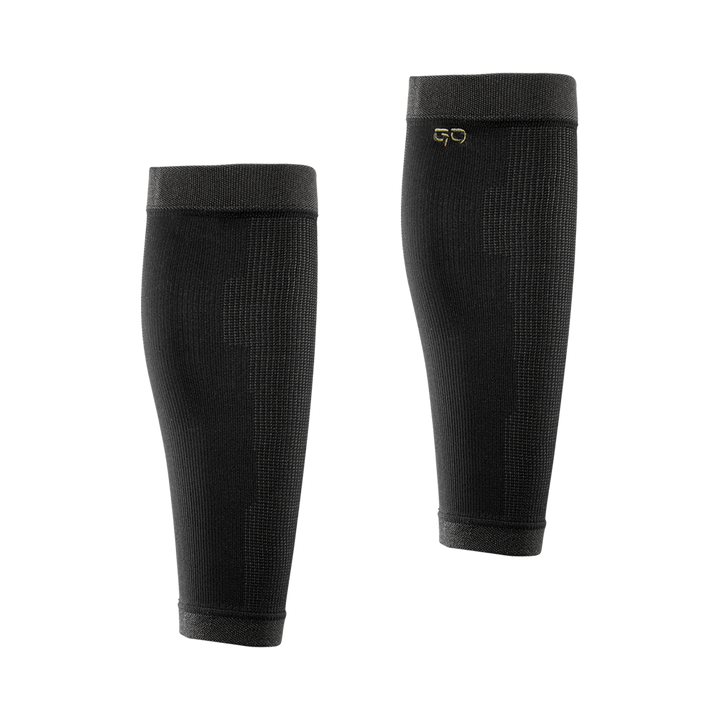
GO Calf Sleeves
Support the muscles that absorb the court’s impact.
The calves and Achilles act as shock absorbers during quick movements and repeated stop-start play.
When those muscles fatigue, more stress transfers directly to the knee.
GO Calf Sleeves combine compression and built-in kinesiology strips to support circulation, muscle stability, and recovery throughout long play sessions.
Benefits for pickleball players
• Improve blood flow during extended matches
• Reduce muscle vibration and fatigue
• Support calf and Achilles stability
• Promote recovery between play days
GO Kinesiology + Compression Calf Sleeves
$99.95
Just pull them on, and off you go! GO Sleeves® Calf Sleeves are the world’s only compression sleeves with built-in kinesiology strips to secure, correct, and support key ligaments, tendons, and muscles in and around your calf and shin. Unlike… Read More
Explore the Full Movement Care Collection
Playing pickleball after 50 isn’t about pushing through pain.
It’s about building a sustainable approach to movement — strengthening the body, managing workload, and supporting joints consistently so they can keep adapting.
Movement care works the same way.
It’s proactive support. Load management. Consistency built into how you play — not something you think about only after something hurts. Shop All Movement Care Products
Related Resources
Continue Learning:
- Return to Sport After Injury: Evidence-Based Protocols That Prevent Reinjury
- Proprioception and Aging
Daily Movement Care Basics: The 5-Minute Foundation Every Active Person Needs
Medical Disclaimer: The information provided in this article is for educational purposes only and does not constitute medical advice, diagnosis, or treatment. Always seek the advice of your physician or other qualified health provider with any questions you may have regarding a medical condition or injury. Never disregard professional medical advice or delay in seeking it because of something you have read on this website.